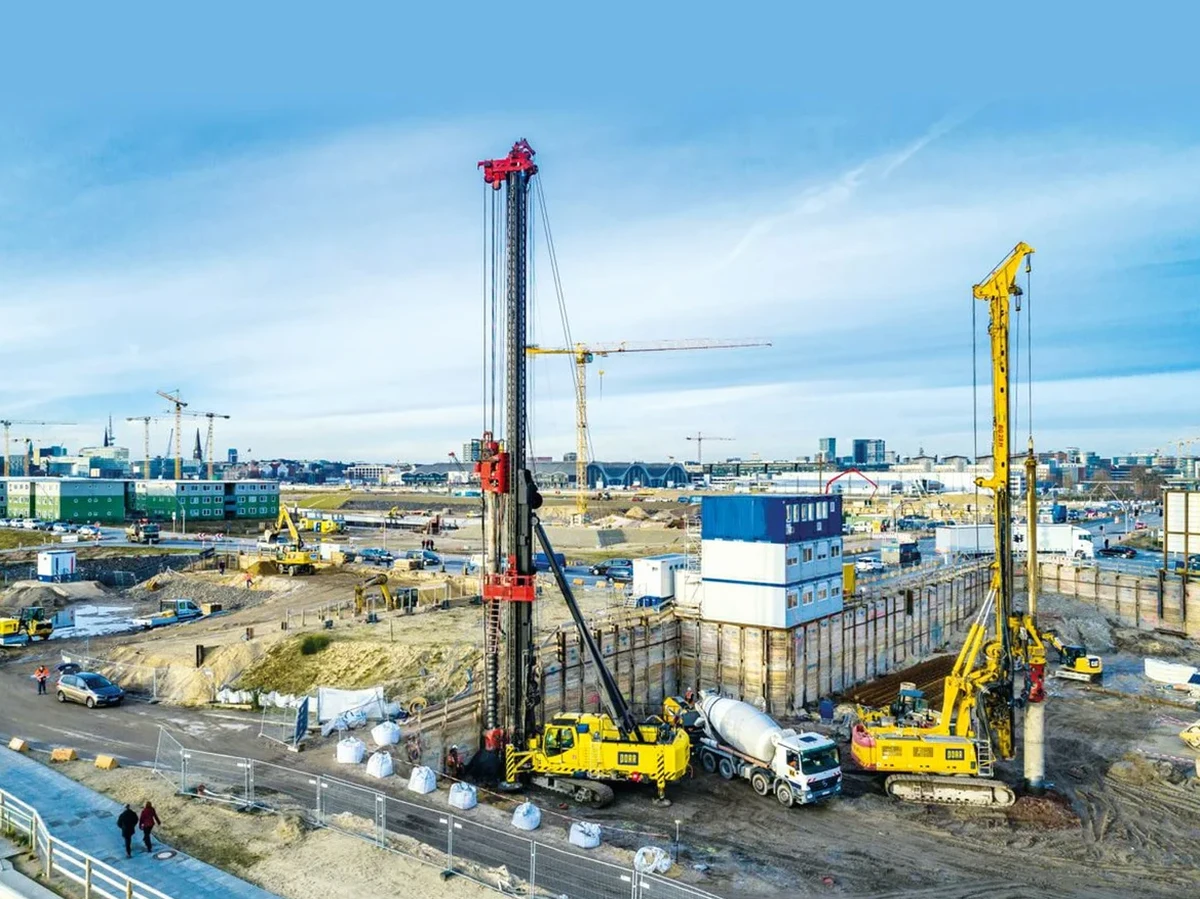
Foundations in Clarington must accommodate the region's complex glacial geology, characterized by interbedded till deposits, lacustrine clays, and localized sand lenses. The presence of Leda clay, a sensitive marine clay with high compressibility and low shear strength, necessitates thorough geotechnical investigation to assess settlement potential and bearing capacity. Site-specific soil profiles frequently reveal variable groundwater conditions due to perched water tables within granular seams, requiring careful evaluation of hydrostatic uplift and drainage. The technical challenge is to design foundations that mitigate differential movement while resisting frost action, as the area experiences deep frost penetration up to 1.2 meters. Engineers must analyze consolidation parameters for clay strata and evaluate liquefaction susceptibility in saturated sands under seismic loading, per the Ontario Building Code seismic hazard mapping for Clarington.
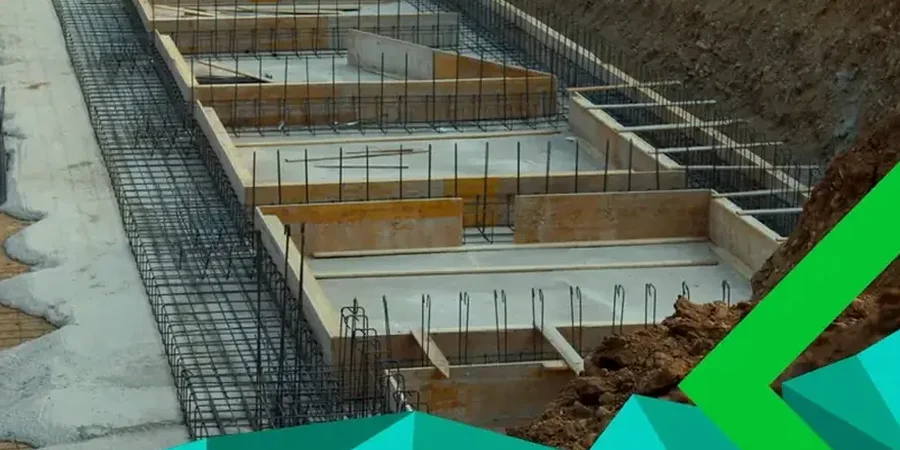
Standard foundation methods in Clarington include shallow spread footings on competent till or compacted granular fill, provided adequate bearing strata exist within 1.5 meters of grade. For sites underlain by compressible clays, deep foundations such as concrete piles or driven steel H-piles are commonly employed to transfer loads to stable glacial till or bedrock. Helical piers and micropiles offer alternatives where access or vibration restrictions apply. Engineered fill placement with geogrid reinforcement and wick drains pre-consolidates soft soils for raft foundations in low-rise applications. Underpinning techniques using mini-piles are specified for retrofitting existing structures affected by settlement on Leda clay. All methods are selected based on comprehensive borehole data, standard penetration tests, and laboratory triaxial tests to verify soil strength and stiffness parameters.
Local standards for foundations in Clarington are governed by the Ontario Building Code (OBC) 2012, as amended, and supplemented by municipal zoning bylaws that require minimum foundation depths of 1.2 meters to avoid frost heave. The Region of Durham's geotechnical guidelines mandate at least three boreholes per residential lot and groundwater monitoring for any project exceeding 600 square meters. Structural fill must comply with OPS 1010 or equivalent specifications for compaction to 98% Standard Proctor density. The municipality enforces strict erosion and sediment control during excavation, referencing the Clarington Stormwater Management Manual. Seismic design coefficients follow National Building Code of Canada 2015 values for site class D, with site-specific response spectra analysis required for essential facilities. All foundation plans must be sealed by a Professional Engineer registered in Ontario.
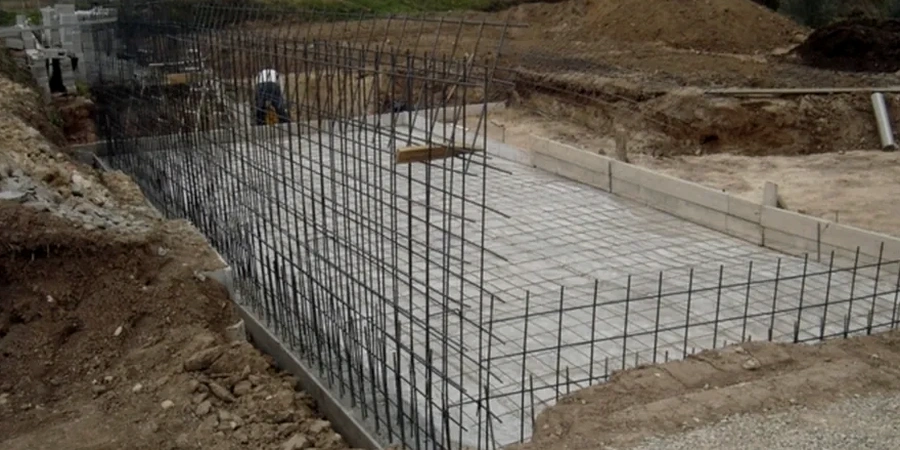
Applications of these foundation practices span residential subdivisions, commercial retail centres, and institutional buildings across Clarington's urban and rural settings. In developing communities like Bowmanville and Courtice, piled raft foundations support mid-rise condominiums on soft clay deposits, while light industrial warehouses often employ geosynthetic-reinforced granular pads over marginal soils. Municipal infrastructure such as watermains and storm sewers require trench backfill designs using flowable fill to reduce loading on underlying clays. Agricultural structures utilize helical piles for grain bins and silos to penetrate weathered till. Heritage building restorations near the lakefront frequently rely on chemical grouting to stabilize loose sands before underpinning. Every foundation application integrates slope stability analyses for excavations near the Oak Ridges Moraine or Lake Ontario shoreline, emphasizing long-term performance in Clarington's variable subsurface conditions.